

Nordic Casino Market Overview 2026: Operators, Licenses and Payments
The Nordic region has long been recognised as one of the most lucrative, technologically sophisticated, and highly regulated iGaming hubs in the world. These markets, comprising Sweden, Denmark, Norway, and Finland, present a fascinating study in regulatory divergence.
While some nations have fully embraced open, multi-operator commercial licensing systems, others continue to defend protective state monopolies aggressively.
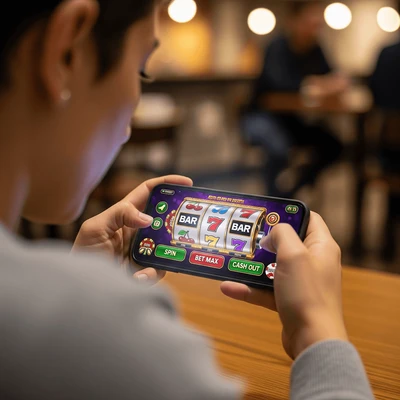
As the industry moves through 2026, the entire region is experiencing massive structural shifts driven by landmark legislative updates, intense regulatory crackdowns on illegal actors, and the rapid evolution of open-banking financial technology. Operators looking to navigate this landscape must contend with rising compliance costs, stricter advertising bans, and sophisticated tech-driven enforcement tools.
Simultaneously, player expectations have reached an all-time high, with instant transactions and automated safety measures becoming standard across the industry. This comprehensive overview examines the state of the Nordic casino market in 2026, focusing on operator dynamics, licensing updates, and the payment infrastructure keeping the ecosystem functional.
Regulatory Frameworks and Market Controls
When examining the Northern European gaming landscape, Norway stands out as a territory fiercely committed to its traditional state-controlled structure.
Unlike its neighbours that have transitioned into open commercial frameworks, the Norwegian government actively maintains a rigid monopoly system, giving exclusive rights for digital casino games and betting services to a single state-owned entity.
Because of this protective legal framework, the domestic framework focuses heavily on maximising consumer protection and maintaining a highly secure environment for players. The structural layout of the market ensures that top-tier digital safety, robust responsible gaming tools, and high operational standards dictate the blueprint for gambling sites in Norway.
For years, the domestic regulator, Lotteritilsynet, relied heavily on transactional restrictions to curb offshore traffic and direct players toward these secure, state-approved avenues.
The most definitive shift occurred recently with the full-scale enforcement of mandatory Domain Name System (DNS) blocking. Armed with expanded legislative powers, the regulatory body has instituted a comprehensive system designed to clearly delineate licensed platforms from external entities.
When residents attempt to navigate the digital space, clear informational routing guides them toward authorised channels. This technological architecture is combined with updated payment mandates that encourage domestic financial institutions to interface exclusively with approved networks.
Through this combination of advanced filtering, optimised player-protection boundaries, and clear regulatory guidelines, the state has successfully channelled the majority of domestic gaming volume into a highly secure, transparent ecosystem.
Sweden and Denmark: Mature Frameworks Facing Tighter Oversight
In sharp contrast to Norwegian isolationism, Sweden and Denmark represent mature, multi-operator licensing regimes that modernised their gambling laws years ago. However, operating within these jurisdictions in 2026 requires navigating an environment defined by escalating compliance expenses and strict player protection controls. The days of rapid, unchecked market expansion have been replaced by a focus on sustainable, highly monitored operations.
In Sweden, the gaming authority, Spelinspektionen, has continually increased its oversight of the digital sector. Following the implementation of mandatory B2B software licenses—which forced game developers and software providers to secure independent certification—the barrier to entry for the entire supply chain has risen.
Operators in 2026 are dealing with tighter caps on player deposit limits, aggressive monitoring for anti-money laundering (AML) compliance, and heavy penalties for marketing violations. The primary challenge in the Swedish market remains "channelisation"—ensuring players choose locally licensed digital casinos rather than migrating to the offshore grey market to avoid strict bonus limitations or self-exclusion registries.
Denmark's regulatory body, Spillemyndigheden, continues to serve as a benchmark for balanced regulation in Europe. The Danish model effectively pairs a highly competitive open market with rigorous enforcement.
In 2026, Danish authorities are focusing their efforts on the intersection of gaming and gambling, particularly targeting hybrid digital products and illicit advertising on streaming platforms and social media. By collaborating directly with major international tech firms and utilising court-ordered website blocks, Denmark has managed to keep its illegal market share remarkably low, proving that a transparent licensing framework backed by firm enforcement is highly viable.
Finland’s Historic Paradigm Shift: Transitioning in 2026
The biggest story of the year in the global iGaming industry is the structural dissolution of Finland’s historical state monopoly. For decades, the Finnish market operated under a centralised state-run entity that controlled all forms of lottery, sports betting, and casino gaming. However, recognising low channelisation rates and the massive outflow of capital to offshore digital platforms, the Finnish government initiated a historic legislative reform to introduce a dual-licensing market.
The year 2026 marks the critical implementation phase of this grand transition. In early 2026, the newly structured regulatory body, the Finnish Supervisory Agency, officially opened the application windows for private operators and software developers wishing to secure a legal Finnish gambling license.
This regulatory body has assumed full supervisory duties, setting up the framework required for a secure, highly controlled rollout. The previous state monopoly will continue to operate under its exclusive framework until its rights formally conclude, clearing the path for the official launch of the competitive licensed market.
For international operators, Finland represents the most exciting frontier in Northern Europe. However, entry requires meeting rigid criteria. The incoming Finnish framework features several core pillars that operators must prepare for:
- Gross Gaming Revenue Tax: A structured tax model designed to generate domestic revenue while maintaining market competitiveness.
- B2B Software Licenses: A mandate requiring all platform and game providers to hold independent certification.
- Strict Advertising Limitations: Highly restrictive policies surrounding marketing materials, promotional bonuses, and social media outreach to protect vulnerable demographics.
Payment Landscapes: The Fintech Engine of the Nordics
The success of any digital casino market relies heavily on its payment infrastructure, and the Nordic region is globally recognised as a pioneer in financial technology. In 2026, traditional credit card transactions and slow e-wallet methods will have largely become obsolete in this territory. Instead, the market is completely dominated by open-banking protocols and instant account-to-account (A2A) payment architectures.
The absolute standard for Nordic digital operations is the "Pay N Play" methodology, championed by major regional fintech powerhouses like Trustly, Zimpler, and Brite. This system completely reimagines the user experience by combining player registration and financial onboarding into a single, seamless step. By utilising robust national digital identity systems—such as BankID mechanisms—players can authenticate their identity and deposit funds securely via their online banking apps in under a minute.
From an operator's perspective, this fintech integration provides massive competitive advantages. It automates essential Know Your Customer (KYC) requirements, slashes onboarding friction by up to 50%, and practically eliminates the risk of fraud or chargeback disputes. Furthermore, withdrawal speed has become a key indicator of brand reliability; modern players expect winnings to land back in their bank accounts within five minutes, a feat easily achieved by A2A instant banking networks. However, in 2026, payment service providers (PSPs) face increased regulatory accountability. Under the new Finnish and existing Swedish frameworks, PSPs must actively audit their client portfolios to ensure they are not processing transactions for unapproved or blacklisted operators, turning payment processing into a front-line defence for regulatory enforcement.
A New Chapter for Nordic iGaming Architecture
As 2026 progresses, the Nordic casino market is solidifying its status as one of the most heavily regulated yet technologically progressive iGaming landscapes in existence. The stark contrast between Norway’s aggressive defence of its state monopoly and Finland’s historic embrace of an open commercial licensing system highlights a region in deep institutional transition.
Meanwhile, Sweden and Denmark continue to prove that while compliance costs and regulatory burdens will inevitably rise, a stable, transparent market remains highly profitable for operators who prioritise consumer safety and legal compliance. Driven forward by cutting-edge open banking systems, instantaneous payment flows, and sophisticated automated monitoring tools, the Nordic model serves as a preview for the future of global iGaming—a space where operational success is entirely dependent on compliance, technical agility, and flawless user experiences.

Author
Gambling Consultant
